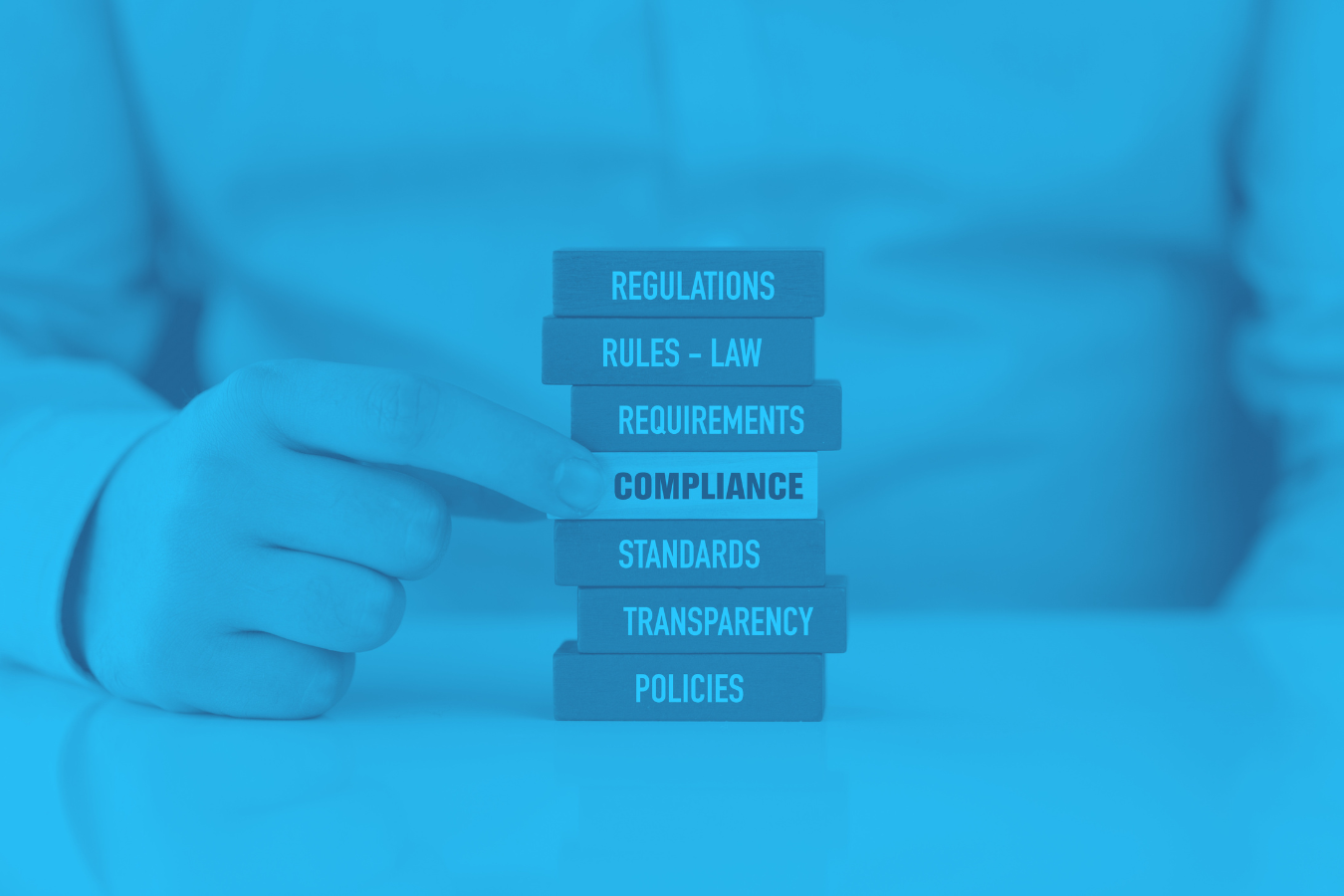
In the complex world of oil and gas operations, regulatory compliance stands as a crucial pillar for both operators and investors. The continuously shifting regulatory landscape across state, federal, and tribal jurisdictions poses complex hurdles for producers aiming to adhere to compliance standards. Our expert team remains vigilant in monitoring the latest developments, ensuring we simplify these procedures for you. We strive to shield you from the risk of regulatory examinations, thereby granting you additional time to devote to the growth and advancement of your business.
At Valor, we understand that navigating this landscape can be challenging, yet vital for the sustainability and success of your ventures. Here’s why understanding regulatory compliance is not just important, but essential in the oil and gas industry.
1. Ensuring Legal Operations
Regulatory compliance is fundamental to ensure that all operations are conducted legally. The oil and gas sector is heavily regulated to protect the environment, ensure public safety, and manage resources effectively. Non-compliance can lead to severe legal consequences, including hefty fines and operational shutdowns. Operators and investors must be well-versed in the laws and regulations specific to the regions in which they operate.
2. Maintaining Trust and Reputation
The public’s perception of oil and gas companies is often influenced by their commitment to regulatory compliance. Violations can lead to negative publicity, diminishing public trust, and potentially harming the company’s reputation. In an era where social responsibility is highly valued, maintaining a clean compliance record is crucial for preserving a positive public image and stakeholder confidence.
3. Mitigating Operational Risks
Compliance with regulations helps in identifying and mitigating various operational risks. This includes risks related to health and safety, environmental hazards, and financial liabilities. By understanding and implementing regulatory requirements, companies can create safer work environments, reduce the likelihood of accidents, and avoid costly disruptions.
4. Enhancing Investment Attractiveness
For investors, compliance is a key indicator of a company’s reliability and stability. Investors are more likely to fund companies that adhere to regulations, as it suggests a lower risk of legal issues and financial penalties. Compliance also indicates sound management practices, making such companies more attractive investment options.
5. Facilitating Market Access and Expansion
Compliance can serve as a gateway for market access and expansion. Many states and regions require strict adherence to regulations before allowing operations. Companies that have a track record of compliance find it easier to enter new markets and expand their operations, thus unlocking new growth opportunities.
6. Environmental Standards
Environmental standards and protection are a central concern in oil and gas operations. Regulations are in place to minimize the impact on natural ecosystems, including air and water quality standards, waste management requirements, and spill response protocols. Understanding and adhering to these regulations not only helps protect the environment but also shields companies from the backlash of environmental damage.
In conclusion, understanding and adhering to regulatory compliance is not just a legal obligation for oil and gas operators and investors, but a strategic imperative. It safeguards legal operations, maintains public trust, mitigates risks, enhances investment attractiveness, facilitates market access, and adheres to environmental standards. At Valor, we specialize in helping our clients navigate the complex web of regulations in the oil and gas sector, ensuring their operations are compliant, efficient, and sustainable.
For more information regarding Valor’s service related to regulatory compliance, see our regulatory compliance services.
Questions? Ready for support? Contact Valor today.
Our team is prepared to support oil & gas owners with services such as:
- Regulatory compliance Graham, Texas,
- Oil and Gas Services and Consulting in Abilene, Texas
- Texas Railroad Commission Oil & Gas Regulatory Consulting
- Oil and Gas Services and Consulting in Jacksboro, Texas
- Oil and Gas Services and Consulting in Bowie, Texas
The information provided by Valor in this blog is for general informational purposes only, not to provide specific recommendations or legal or tax-related advice. The blog/website should not be used as a substitute for competent legal advice from a licensed professional attorney in your state.
Key Takeaways
- Legal Operations: Non-compliance with oil and gas regulations can result in significant fines, legal consequences, and forced operational shutdowns for producers.
- Public Trust: Regulatory violations generate negative publicity that erodes stakeholder confidence and damages the long-term reputation of oil and gas companies.
- Risk Mitigation: Following regulations helps identify health, safety, environmental, and financial risks before they result in accidents or costly operational disruptions.
- Investor Confidence: A strong compliance record signals reliability and sound management, making oil and gas companies more attractive to potential investors.
- Environmental Standards: Regulations governing air quality, water quality, waste management, and spill response protect ecosystems and shield operators from environmental backlash.
Read more from Valor
- Regulatory Compliance — Texas RRC, Oklahoma OCC, BLM, and state regulator filings.
- Texas Railroad Commission — RRC permitting, P5 registration, severance taxation.
- Operator Services Faq — Outsourced JIB, revenue, owner relations, and regulatory.